American slang refers to the informal, often playful language that evolves within various communities across the United States. It encompasses a wide range of expressions, phrases, and vocabulary that deviate from standard English, often reflecting cultural nuances, social dynamics, and regional identities. Slang is characterized by its fluidity; it can change rapidly, with new terms emerging and old ones falling out of favor.
This informal lexicon serves as a means of bonding among speakers, allowing them to express shared experiences and cultural references in a way that formal language may not capture. The use of slang can convey a sense of belonging or identity among groups, whether they are defined by age, ethnicity, profession, or social circles. For instance, teenagers might use different slang than adults, and members of specific subcultures—such as hip-hop or skateboarding communities—often develop their own unique vernacular.
This linguistic creativity not only enriches the language but also reflects the dynamic nature of American society, where diverse influences converge to shape communication styles.
Key Takeaways
- American slang refers to informal language and expressions used by Americans in everyday conversation.
- American slang has evolved over time, influenced by various cultural and historical factors.
- Common American slang includes expressions like “cool,” “dude,” and “hang out,” which are widely used across the country.
- Regional variations in American slang can be seen in different parts of the United States, with unique expressions and words specific to certain areas.
- It’s important to use American slang appropriately and be mindful of the context and audience when using slang in conversation.
Origins and Evolution of American Slang
The Influence of African American Vernacular English
Terms like “cool,” “dope,” and “lit” have origins in African American Vernacular English (AAVE) and have permeated mainstream culture, illustrating how slang can transcend its original context to become widely adopted.
The Evolution of Slang Through the Decades
The 1920s, often referred to as the “Roaring Twenties,” saw a surge in slang associated with jazz culture and the burgeoning youth movement. Phrases like “the bee’s knees” and “cat’s pajamas” emerged during this era, reflecting a sense of rebellion and a desire for freedom among young people. As the decades progressed, each generation contributed its own lexicon, influenced by historical events, technological advancements, and shifts in social attitudes.
The Digital Age and the Spread of Slang
The rise of the internet and social media has accelerated this evolution, allowing slang to spread rapidly across geographical boundaries.
Common American Slang and Expressions

American slang is rich with expressions that convey specific meanings or emotions.
These terms often encapsulate complex feelings or situations in a single word or phrase, making communication more efficient among those familiar with the slang.
Expressions like “spill the tea” invite someone to share gossip or juicy information, while “throw shade” means to subtly insult or criticize someone without being overtly confrontational. Such phrases often carry cultural connotations that resonate with particular groups, making them more than just words; they become part of a shared cultural experience. The use of these expressions can also signal familiarity with contemporary issues or trends, further reinforcing social bonds among speakers.
Regional Variations in American Slang
| Region | Distinct Slang Words | Common Phrases |
|---|---|---|
| West Coast | hella, gnarly, dank | “What’s good?”, “Chillin'”, “Let’s dip” |
| East Coast | wicked, bodega, deadass | “Mad cool”, “I’m good luv, enjoy”, “Fuhgeddaboudit” |
| Midwest | ope, pop, uffda | “You betcha”, “Don’tcha know”, “Uffda, that’s rough” |
| Southern | y’all, fixin’ to, bless your heart | “Howdy y’all”, “I’m fixin’ to go”, “Bless your heart, sugar” |
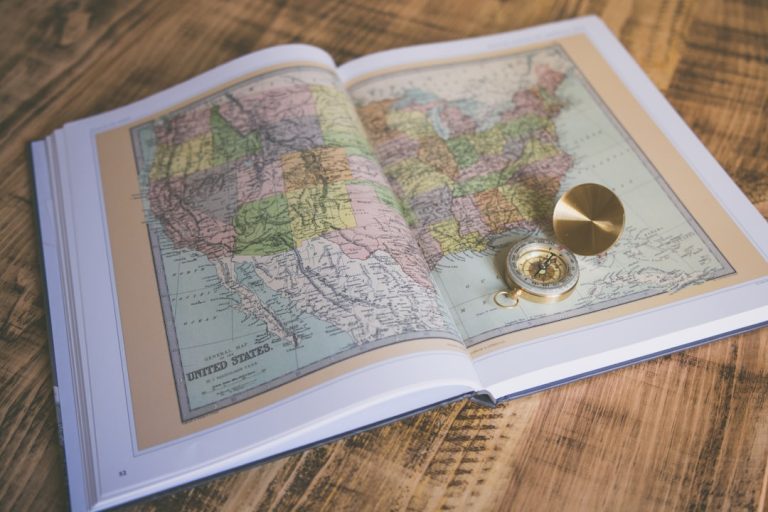
American slang is not monolithic; it varies significantly across different regions of the country. For instance, in the Northeast, particularly in New York City, you might hear terms like “schlep,” which means to carry something heavy or cumbersome. In contrast, Southern slang includes expressions like “y’all,” a contraction for “you all,” which reflects the region’s unique linguistic heritage.
The West Coast has its own set of terms as well; for example, “gnarly” is often used to describe something extreme or impressive, particularly in surfing culture. These regional variations highlight the diverse cultural landscapes within the United States. They can also serve as markers of identity, distinguishing speakers from different areas.
For example, someone from Chicago might use the term “pop” to refer to carbonated beverages, while someone from the South might call it “soda.” Such differences not only enrich the language but also foster a sense of pride in local culture and heritage.
How to Use American Slang Appropriately
Using American slang appropriately requires an understanding of context and audience. While slang can enhance communication among peers, it may not always be suitable in formal settings or when speaking with individuals unfamiliar with specific terms. For instance, using slang in a job interview or professional correspondence could come across as unprofessional or disrespectful.
Therefore, it is essential to gauge the appropriateness of slang based on the situation and the people involved. Moreover, being mindful of cultural sensitivity is crucial when using slang that may originate from specific communities. Some terms may carry historical weight or be tied to particular social issues.
For example, using AAVE expressions without understanding their cultural significance can be perceived as appropriation rather than appreciation. Engaging with slang authentically involves recognizing its roots and respecting the communities from which it arises.
American Slang in Pop Culture
The Rise of Hip-Hop Culture
The rise of hip-hop culture has played a significant role in popularizing slang terms that resonate with younger audiences. Artists like Kendrick Lamar and Cardi B frequently incorporate contemporary slang into their lyrics, making these expressions mainstream and accessible to a broader audience.
Series like “Friends” and “The Fresh Prince of Bel-Air” introduced viewers to phrases that became part of everyday conversation.
The Power of Social Media
Social media platforms like TikTok and Twitter further amplify this phenomenon by allowing users to share and popularize new slang rapidly. Viral trends often give rise to new expressions that can spread like wildfire across demographics, showcasing how pop culture serves as both a mirror and a catalyst for linguistic change.
The Influence of American Slang on Global English
The impact of American slang extends beyond U.S. borders; it has significantly influenced global English usage. As American culture permeates various aspects of life worldwide—through music, film, fashion, and technology—so too does its language.
Terms like “cool,” “chill,” and “selfie” have been adopted by non-native English speakers around the globe, often retaining their original meanings while sometimes acquiring new connotations in different cultural contexts. This global spread of American slang raises interesting questions about language evolution and cultural exchange. While some may argue that this leads to a homogenization of language, others see it as an opportunity for linguistic enrichment.
The blending of local dialects with American slang can create unique hybrid forms of expression that reflect both global influences and local identities. This phenomenon illustrates how language is not static but rather a living entity that adapts to changing social landscapes.
The Future of American Slang and Expressions
Looking ahead, the future of American slang is likely to be shaped by ongoing technological advancements and cultural shifts. As communication continues to evolve through digital platforms, new forms of expression will emerge alongside existing ones. The rise of virtual reality and augmented reality may give birth to entirely new lexicons that reflect these immersive experiences.
Additionally, as societal attitudes toward issues such as gender identity and inclusivity evolve, so too will the language we use to express these concepts. Moreover, the increasing interconnectedness of global cultures will continue to influence American slang. As people from diverse backgrounds interact more frequently through travel and digital communication, we can expect a blending of linguistic elements that will further enrich American English.
This ongoing evolution underscores the dynamic nature of language—one that reflects not only individual creativity but also collective cultural experiences across generations and geographies.
If you’re interested in learning more about American English expressions, you may want to check out this article on conversation topics for asking for directions. This article provides useful phrases and expressions for navigating and asking for directions in American English. It’s a great resource for anyone looking to improve their language skills and feel more confident when communicating in English.
FAQs
What are American English expressions?
American English expressions are phrases or idiomatic expressions that are commonly used in the United States. These expressions may have unique meanings or usage in American English compared to other varieties of English.
What are some examples of American English expressions?
Some examples of American English expressions include “break a leg” (meaning good luck), “hit the hay” (meaning to go to bed), “piece of cake” (meaning something is easy), and “bless your heart” (used in the South to express sympathy or understanding).
How do American English expressions differ from other varieties of English?
American English expressions may differ from other varieties of English in terms of vocabulary, pronunciation, and usage. Some expressions may be unique to American English, while others may have different meanings or connotations in American English compared to British English or other varieties.
Why is it important to understand American English expressions?
Understanding American English expressions is important for effective communication and cultural understanding, especially for non-native English speakers or those interacting with American English speakers. It can also help in navigating social interactions and understanding American popular culture.
Where can I learn more about American English expressions?
There are many resources available for learning about American English expressions, including books, online articles, and language learning websites. Additionally, interacting with native American English speakers and immersing oneself in American culture can also help in understanding and using American English expressions.
About the Author