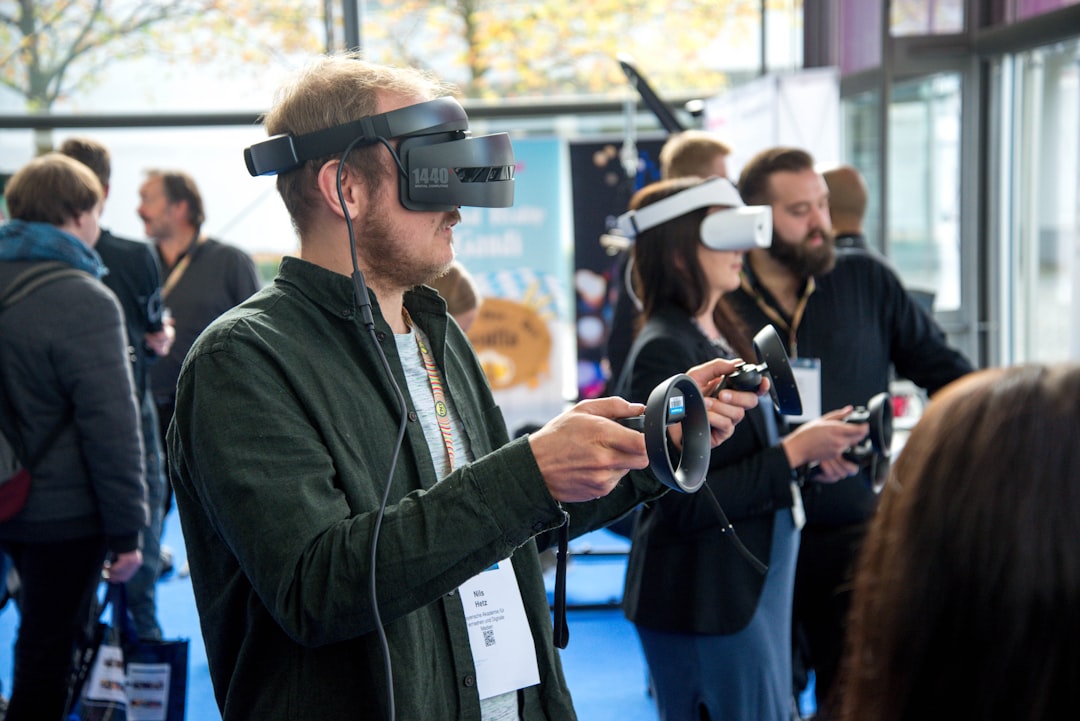
Interactive learning has emerged as a pivotal approach in modern education, emphasizing the active participation of students in the learning process. Unlike traditional methods that often rely on passive absorption of information, interactive learning fosters engagement, critical thinking, and collaboration among learners. This approach not only enhances retention of knowledge but also cultivates essential skills such as problem-solving, communication, and teamwork.
By encouraging students to take an active role in their education, interactive learning creates a dynamic environment where curiosity thrives and knowledge is constructed rather than merely received. Moreover, interactive learning caters to diverse learning styles and preferences, making education more inclusive. Students who may struggle with conventional teaching methods often find their voices in interactive settings, where they can express their understanding through various mediums—be it discussions, hands-on activities, or digital platforms.
This adaptability is crucial in today’s classrooms, where learners come from varied backgrounds and possess different strengths. By prioritizing interaction, educators can create a more equitable learning landscape that recognizes and values each student’s unique contributions.
Key Takeaways
- Interactive learning promotes active engagement and participation, leading to better retention and understanding of the material.
- Technology can enhance interactive learning by providing access to a wide range of resources and tools for students and teachers.
- Gamification in education can make learning more enjoyable and motivating for students, leading to increased participation and achievement.
- Role-playing and simulations can provide students with real-world experiences and practical skills in a safe and controlled environment.
- Collaborative learning activities encourage teamwork, communication, and critical thinking skills among students.
Implementing Technology in Interactive Learning
The integration of technology into interactive learning environments has revolutionized the educational landscape. Digital tools such as tablets, interactive whiteboards, and online platforms facilitate a more engaging and immersive experience for students. For instance, platforms like Google Classroom and Microsoft Teams allow for real-time collaboration on projects, enabling students to work together regardless of their physical location.
This not only enhances communication but also prepares students for the increasingly digital world they will encounter in their future careers. Furthermore, technology enables educators to tailor their teaching methods to better suit the needs of their students. With the use of data analytics and learning management systems, teachers can track student progress and identify areas where individuals may need additional support.
This data-driven approach allows for timely interventions and personalized feedback, ensuring that each student can thrive in an interactive learning environment. The ability to incorporate multimedia resources—such as videos, podcasts, and interactive simulations—also enriches the learning experience, making complex concepts more accessible and engaging.
Gamification in Education

Gamification has gained significant traction as a powerful tool in interactive learning, leveraging game design elements to enhance student motivation and engagement. By incorporating elements such as points, badges, leaderboards, and challenges into educational activities, educators can create a more stimulating environment that encourages students to participate actively. For example, platforms like Kahoot! allow teachers to create quizzes that feel like games, transforming assessments into fun competitions that foster a sense of achievement among learners. The psychological principles behind gamification tap into intrinsic motivation by providing immediate feedback and rewards for accomplishments. This approach not only makes learning enjoyable but also instills a sense of ownership over the educational process. Students are more likely to engage with content when they feel they are part of a game-like experience where their efforts are recognized and celebrated. Additionally, gamification can promote healthy competition among peers, encouraging collaboration while also pushing individuals to strive for personal excellence.
Role-playing and Simulations
| Metrics | Data |
|---|---|
| Number of Participants | 20 |
| Duration | 2 hours |
| Engagement Level | High |
| Learning Outcomes | Improved communication and problem-solving skills |
Role-playing and simulations are powerful methods within interactive learning that allow students to immerse themselves in real-world scenarios. These techniques enable learners to step into different roles, fostering empathy and understanding of diverse perspectives. For instance, in a history class, students might engage in a simulation of a historical event, taking on the roles of key figures to explore the complexities of decision-making during that time.
This experiential learning approach not only deepens comprehension but also encourages critical thinking as students analyze the consequences of their actions within the simulation.
In a science class, for example, students might conduct a mock trial to debate the ethical implications of genetic engineering.
By engaging in these immersive experiences, students develop a deeper understanding of the subject matter while also acquiring soft skills that are essential for success in both academic and professional settings.
Collaborative Learning Activities
Collaboration is at the heart of interactive learning, as it encourages students to work together towards common goals while developing essential interpersonal skills. Collaborative learning activities can take many forms, from group projects to peer teaching sessions. For instance, in a literature class, students might be assigned to small groups to analyze a novel and present their findings to the class.
This not only promotes teamwork but also allows students to learn from one another’s insights and interpretations. The benefits of collaborative learning extend beyond academic achievement; they also foster social skills and emotional intelligence. As students navigate group dynamics—such as conflict resolution and decision-making—they develop a greater understanding of themselves and their peers.
This collaborative spirit is crucial in preparing students for future workplaces where teamwork is often essential. By creating opportunities for collaboration within the classroom, educators can cultivate a sense of community that enhances both individual and collective learning experiences.
Personalized Learning Experiences

Personalized learning experiences are increasingly recognized as vital components of effective interactive learning environments. By tailoring educational experiences to meet individual student needs, educators can enhance engagement and improve outcomes. This approach acknowledges that each learner has unique strengths, interests, and challenges that influence their educational journey.
For example, adaptive learning technologies can assess a student’s proficiency in real-time and adjust the difficulty level of tasks accordingly, ensuring that learners are neither bored nor overwhelmed. In addition to technology-driven personalization, educators can implement strategies such as differentiated instruction to cater to diverse learning styles within the classroom. This might involve offering various project options based on student interests or providing additional resources for those who require extra support.
By fostering an environment where personalized learning is prioritized, educators empower students to take ownership of their education and pursue their passions while still meeting curriculum standards.
Incorporating Real-World Problem Solving
Integrating real-world problem-solving into interactive learning is essential for preparing students for the complexities of modern life. When learners engage with authentic challenges—whether through project-based learning or community service initiatives—they develop critical thinking skills and learn how to apply theoretical knowledge in practical contexts. For instance, a science class might partner with local environmental organizations to address issues such as pollution or conservation efforts.
Students would not only learn scientific principles but also understand the societal implications of their work. This approach encourages students to think critically about the world around them and fosters a sense of responsibility towards their communities. By tackling real-world problems, learners gain insights into the interconnectedness of various disciplines—such as science, economics, and social studies—while also developing skills such as research, collaboration, and communication.
The ability to navigate complex issues prepares students for future challenges they may encounter in their personal lives or careers.
Assessing and Measuring the Effectiveness of Interactive Learning
Assessing the effectiveness of interactive learning strategies is crucial for educators seeking to refine their teaching practices and improve student outcomes. Traditional assessment methods may not fully capture the depth of understanding that arises from interactive experiences; therefore, alternative assessment techniques must be employed. Formative assessments—such as peer evaluations, self-assessments, and reflective journals—can provide valuable insights into student progress while allowing for ongoing feedback throughout the learning process.
Additionally, educators can utilize performance-based assessments that require students to demonstrate their knowledge through projects or presentations rather than standardized tests alone. These assessments not only evaluate content mastery but also assess skills such as creativity, collaboration, and critical thinking—key components of interactive learning environments. By employing a variety of assessment methods tailored to the unique aspects of interactive learning, educators can gain a comprehensive understanding of student growth and make informed decisions about instructional strategies moving forward.
One related article to interactive learning methods is “Dialogue: Talking About the News” which discusses the importance of engaging in conversations about current events to enhance critical thinking skills and promote active learning. To read more about this topic, you can visit the article here.
FAQs
What are interactive learning methods?
Interactive learning methods are educational techniques that actively engage students in the learning process. These methods often involve hands-on activities, group discussions, and technology-based tools to encourage participation and critical thinking.
What are some examples of interactive learning methods?
Some examples of interactive learning methods include role-playing exercises, simulations, case studies, group projects, educational games, and online discussions. These methods aim to create an active and engaging learning environment for students.
What are the benefits of using interactive learning methods?
Interactive learning methods can improve student engagement, motivation, and retention of information. These methods also promote critical thinking, problem-solving skills, and collaboration among students. Additionally, interactive learning methods can cater to different learning styles and enhance the overall learning experience.
How can interactive learning methods be implemented in the classroom?
Interactive learning methods can be implemented in the classroom through the use of technology, hands-on activities, group work, and discussions. Teachers can also incorporate interactive elements into their lesson plans, such as multimedia presentations, interactive whiteboards, and educational apps.
What role does technology play in interactive learning methods?
Technology plays a significant role in interactive learning methods by providing tools and resources to create engaging and interactive learning experiences. This can include educational software, online platforms, virtual reality, and interactive multimedia content. Technology can also facilitate communication and collaboration among students.
About the Author