Looking to explore some truly iconic American spots? You’ve come to the right place. We’re diving into five destinations that practically define the American travel experience, offering practical tips and a peek into what makes each one special. Forget the generic travel brochures; we’re getting down to brass tacks about what you can actually expect and how to make the most of your trip.
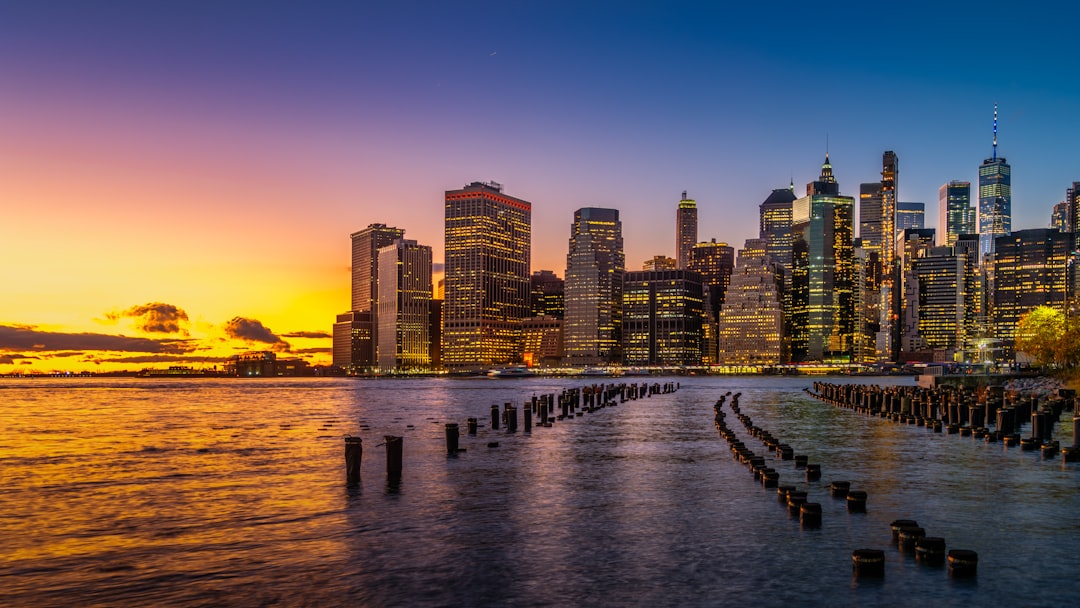
Ah, New York. It’s more than just a city; it’s an experience. From towering skyscrapers to hidden gems, it’s a place that buzzes with an energy unlike anywhere else. You’ll hear a cacophony of languages, witness art in countless forms, and taste food from every corner of the globe. But let’s be real: it’s also a place that requires a bit of strategy to navigate.
Getting Around Like a Local
Skip the taxis for most of your sightseeing. The subway is your best friend. It might seem intimidating at first, but it’s efficient, extensive, and often faster than being stuck in traffic. Grab a MetroCard and load it up. Walking is also key – New York is a city best explored on foot, allowing you to stumble upon unexpected delights.
Must-See vs. Must-Experience
Yes, see the Statue of Liberty and Times Square, but don’t let them be your entire visit. Times Square, while undeniably iconic, is often overwhelmingly crowded and a sensory overload. Think of it as a drive-by rather than a full immersion.
Beyond the Obvious Icons
- Central Park: This isn’t just a park; it’s a masterpiece. Rent a bike, stroll through Bethesda Terrace, or simply find a bench and people-watch. It’s a sanctuary in the middle of the urban chaos.
- The High Line: An elevated park built on a historic freight rail line. It offers unique perspectives of the city and is a fantastic spot for a leisurely walk, especially at sunset.
- Neighborhood Exploration: Dedicate time to wander through neighborhoods. Greenwich Village, with its charming streets and historic relevance, is a personal favorite. SoHo offers fantastic architecture and boutique shopping, while the Lower East Side boasts a vibrant history and evolving culinary scene.
- Museum Hopping: The Metropolitan Museum of Art (The Met) and the Museum of Modern Art (MoMA) are world-class, but don’t forget the lesser-known gems like the Tenement Museum, which offers a poignant look at immigrant life.
Practical Bites and Budgeting
New York can be expensive, but it doesn’t have to break the bank. Street food, especially hot dogs and pretzels from vendors, are quick and affordable. Many delis offer excellent sandwiches and salads. For a more substantial meal, explore diverse ethnic neighborhoods for authentic and reasonably priced cuisine. Consider a pre-theater dinner deal if you’re catching a Broadway show.
If you’re interested in exploring American travel destinations through engaging dialogues, you might find a related article on our website that delves into various travel experiences across the United States. The article features five dialogues that capture the essence of traveling to iconic locations, from the bustling streets of New York City to the serene landscapes of the Grand Canyon. Each dialogue offers a unique perspective on the adventures and challenges travelers face. To read more about these captivating conversations, visit this link.
2. Grand Canyon National Park, Arizona: Nature’s Grand Masterpiece (and How Not to Get Burned)
The Grand Canyon is one of those places that truly lives up to the hype. No photograph, no video, can prepare you for the sheer scale and beauty of it. It’s humbling, awe-inspiring, and a powerful reminder of nature’s artistry. But experiencing it requires some practical planning, especially concerning the sun and crowds.
South Rim vs. North Rim: A Tale of Two Experiences
Most visitors head to the South Rim, and for good reason. It’s more accessible, offers a wider range of services, and has some of the most iconic viewpoints. However, it also gets significantly more crowded.
The South Rim: Accessible Beauty
- Viewpoints: Mather Point, Yavapai Point, and Grandview Point offer classic vistas. Hop on the free shuttle buses to access many of these and avoid parking hassles.
- Hiking: The Bright Angel Trail and Kaibab Trail are popular options for day hikes. Even a short descent will give you a sense of the canyon’s immense scale. Crucial tip: Going down is easy; coming back up is the challenge. Pack plenty of water and snacks.
- Desert View Watchtower: Located on the eastern edge of the South Rim, this historic stone tower offers incredible panoramic views and insights into Native American culture.
The North Rim: Secluded Serenity
Open seasonally (typically May to October), the North Rim is less developed, higher in elevation, and offers a more serene, intimate experience. It’s a longer drive to get there, but the views are equally spectacular and the crowds are noticeably smaller. If you’re looking for peace, this is your spot.
Battling the Elements: Sun, Water, and Elevation
The desert climate is no joke. Seriously, hydrate constantly. You’ll be surprised how quickly you can dehydrate, even on cooler days.
- Water: Carry more than you think you need, especially if hiking. There are water stations along some trails, but don’t rely solely on them.
- Sun Protection: Wide-brimmed hats, sunglasses, and high SPF sunscreen are non-negotiable. The sun here is intense, and sunburn can ruin your trip.
- Layering: Temperatures can fluctuate dramatically between day and night, and even between the rim and the canyon floor. Pack layers.
Accommodations and Reservations
Book your lodging well in advance, especially for the South Rim, if you want to stay inside the park. These fill up quickly. Alternatively, consider staying in nearby Tusayan for more options, but expect higher prices during peak season.
3. New Orleans, Louisiana: The Soulful City of Music, Food, and Unforgettable Charm
New Orleans is a city that pulses with life. It’s a sensory feast: the scent of magnolia and cypress, the sounds of jazz drifting from every corner, the vibrant colors of its architecture, and the incredible flavors of its unique cuisine. It’s a place that encourages you to slow down, listen, and truly savor the moment.
Beyond Bourbon Street: Digging Deeper
Bourbon Street is an experience, no doubt. It’s loud, boisterous, and a quintessential New Orleans party. But if that’s all you see, you’re missing the true heart of the city.
Exploring the French Quarter (Beyond the Bars)
- Jackson Square: The iconic heart of the French Quarter, home to St. Louis Cathedral, street artists, and performers. Grab a beignet and coffee from Café Du Monde nearby.
- Royal Street: A quieter, more elegant alternative to Bourbon, filled with antique shops, art galleries, and charming boutiques.
- Frenchmen Street: For authentic live music, this is where locals go. You’ll find incredible jazz, blues, and funk spilling out of intimate clubs. It’s a more relaxed and genuine musical experience than anything on Bourbon.
- Garden District: Take a streetcar (a fun experience in itself) to this elegant neighborhood known for its stunning mansions and lush gardens. Consider a walking tour to learn about the architecture and history.
The Culinary Journey: A Symphony of Flavors
New Orleans food is legendary, a delicious blend of French, Spanish, African, and Caribbean influences. Don’t leave without indulging.
Essential NOLA Eats
- Gumbo & Jambalaya: These hearty, flavorful stews are iconic for a reason.
- Po’boys: A traditional Louisiana sandwich, typically made with roast beef or fried seafood. Try one from a local spot.
- Beignets: Square-shaped donuts dusted with powdered sugar, a must-have, especially with chicory coffee.
- Oysters: Whether raw, Rockefeller, or fried, the oysters here are incredible.
- Sazerac & Hurricane: Iconic cocktails that capture the spirit of the city.
Respecting the Culture and History
New Orleans has a rich, complex history, including a significant African American heritage. Take time to learn about it. Consider visiting the Backstreet Cultural Museum or taking a historical walking tour that delves into the city’s unique cultural tapestry. Respect local customs and the spirit of the city; it’s a place that welcomes everyone, but cherishes its traditions.
4. Yellowstone National Park, Wyoming (and Montana/Idaho): America’s First National Park and a Geothermal Wonderland
Yellowstone is a place of raw, untamed beauty. It’s where you can witness powerful geysers erupting, encounter diverse wildlife in their natural habitat, and explore vibrant geothermal features that look otherworldly. It’s a truly unique destination that showcases the immense power and artistry of nature.
Navigating the Grand Loop: Planning Your Route
Yellowstone is vast, so planning your route is crucial. The park is essentially laid out in a “figure 8” called the Grand Loop Road.
Key Areas to Explore
- Upper Geyser Basin (Old Faithful): The most famous geyser, Old Faithful, erupts predictably every 60-110 minutes. But don’t stop there. This basin is home to numerous other geysers and hot springs, like Grand Geyser and Morning Glory Pool. Allow several hours to walk the boardwalks.
- Midway Geyser Basin (Grand Prismatic Spring): This is where you’ll find the iconic, vibrantly colored Grand Prismatic Spring. The best view is from the Fairy Falls Overlook Trail, which requires a short hike.
- Mammoth Hot Springs: Terraces of travertine formed by mineral-rich hot springs. It’s a completely different geothermal experience from the geysers.
- Yellowstone Lake: The largest high-elevation lake in North America, offering stunning views and opportunities for boating and fishing.
- Hayden Valley & Lamar Valley: These are prime spots for wildlife viewing. Get up early or stay out late for the best chances to see bison, elk, bears, and wolves. Bring binoculars!
Wildlife Encounters: Respecting Their Space
Seeing wildlife is a highlight, but it’s important to remember these are wild animals.
Essential Wildlife Etiquette
- Stay in Your Vehicle: When you see wildlife, especially large animals like bison or bears, stay in or near your car.
- Maintain Distance: The park mandates minimum distances: 100 yards (91 meters) from bears and wolves, and 25 yards (23 meters) from all other wildlife, including bison and elk. Use your zoom lens!
- Never Feed Animals: It habituates them to humans, which can be dangerous for both the animals and visitors.
- Observe Roadside Pullouts: Use designated pullouts when stopping to view wildlife. Don’t stop in the middle of the road.
Lodging and Park Entry
Like Grand Canyon, book lodging within the park months in advance. Options range from rustic cabins to historic hotels. West Yellowstone, Gardiner, and Cooke City are popular gateway towns outside the park, offering more availability but requiring daily drives into the park. Consider a multi-day pass for park entry, especially if staying outside.
If you’re planning a trip across the United States, exploring various travel destinations can be both exciting and overwhelming. A great resource to enhance your journey is the article on dialogues that help with asking for directions, which can be incredibly useful when navigating new cities. You can find it here: dialogues about asking for directions. From the bustling streets of New York City to the serene landscapes of the Grand Canyon, understanding how to communicate effectively can make your travel experience much smoother. Whether you’re seeking recommendations or simply trying to find your way, these dialogues will prepare you for various scenarios you might encounter on your adventures.
5. San Francisco, California: Foggy Hills, Golden Bridges, and a Whole Lot of Character
| Dialogue Number | Travel Destination | Dialogue Topic |
|---|---|---|
| 1 | New York City | Discussing famous landmarks and attractions |
| 2 | Los Angeles | Talking about Hollywood and entertainment industry |
| 3 | Grand Canyon | Describing the natural beauty and hiking trails |
| 4 | Miami | Exploring the vibrant nightlife and beach culture |
| 5 | San Francisco | Discussing the Golden Gate Bridge and tech industry |
San Francisco is a city of distinct neighborhoods, iconic landmarks, and a unique, often foggy, charm. From its hilly streets and Victorian architecture to its vibrant arts scene and innovative spirit, it offers a diverse and captivating experience. Just remember to pack layers; the weather can be famously unpredictable.
Mastering the Microclimates: Always Layer Up
San Francisco is notorious for its microclimates. It can be sunny and warm in one neighborhood and foggy and chilly just a few blocks away.
Dressing for Success
- Layers are Key: Even on a “warm” day, carry a jacket or sweatshirt. The fog can roll in quickly, dropping temperatures.
- Comfortable Shoes: You’ll be doing a lot of walking, and navigating the city’s famous hills demands good footwear.
Iconic Sights and Unique Experiences
While some sights are undeniably touristy, they’re iconic for a reason.
Must-See, Must-Do
- Golden Gate Bridge: Walk or bike across it for incredible views. The visitor center at the south end offers historical insights.
- Alcatraz Island: Book your tickets well in advance (months, seriously). The audio tour is excellent and provides a chilling look into the infamous prison.
- Cable Cars: Take a ride! It’s a classic San Francisco experience. The Powell-Hyde line offers some of the best views. Be prepared for queues.
- Fisherman’s Wharf & Pier 39: Yes, it’s touristy, but seeing the sea lions at Pier 39 is a quirky delight. Grab some clam chowder in a sourdough bread bowl.
- Lombard Street: The “most crooked street in the world.” Drive down it if you’re feeling adventurous, or just admire it from the top or bottom.
Exploring the Neighborhoods: Each with its Own Vibe
San Francisco truly shines when you venture beyond the main tourist hubs.
Beyond the Brochure
- The Mission District: Known for its vibrant murals, delicious Mexican food (taco trucks!), and lively atmosphere. Explore Mission Dolores Park for great city views.
- Haight-Ashbury: The birthplace of the counterculture movement in the 1960s. Browse the vintage shops and soak in the bohemian vibe.
- Chinatown: One of the oldest and largest Chinatowns outside of Asia. Explore its bustling streets, visit temples, and enjoy authentic dim sum.
- Sausalito: A charming waterfront town just across the Golden Gate Bridge, accessible by ferry. Great for a day trip, with art galleries and picturesque views.
Transportation Tips
Public transportation (MUNI buses and streetcars, BART subway) is extensive. Consider a Muni Pass if you plan on using it frequently. Ride-sharing apps are also readily available. For exploring the hills, walking is often the most rewarding, but be prepared for a workout!
FAQs
1. What are some popular American travel destinations?
Some popular American travel destinations include New York City, Los Angeles, Las Vegas, Miami, San Francisco, and the Grand Canyon.
2. What are some must-see attractions in New York City?
Must-see attractions in New York City include the Statue of Liberty, Central Park, Times Square, the Empire State Building, and the Metropolitan Museum of Art.
3. What are some iconic landmarks in Los Angeles?
Iconic landmarks in Los Angeles include the Hollywood Sign, Griffith Observatory, Santa Monica Pier, Rodeo Drive, and the Walk of Fame on Hollywood Boulevard.
4. What are some popular activities in Las Vegas?
Popular activities in Las Vegas include visiting the famous casinos and resorts on the Las Vegas Strip, watching world-class shows and performances, exploring the Fremont Street Experience, and taking a day trip to the nearby Hoover Dam.
5. What are some recommended outdoor activities in San Francisco?
Recommended outdoor activities in San Francisco include visiting the Golden Gate Bridge, exploring Alcatraz Island, walking or biking along the scenic waterfront at Fisherman’s Wharf, and taking a trip to the nearby Muir Woods National Monument.
About the Author