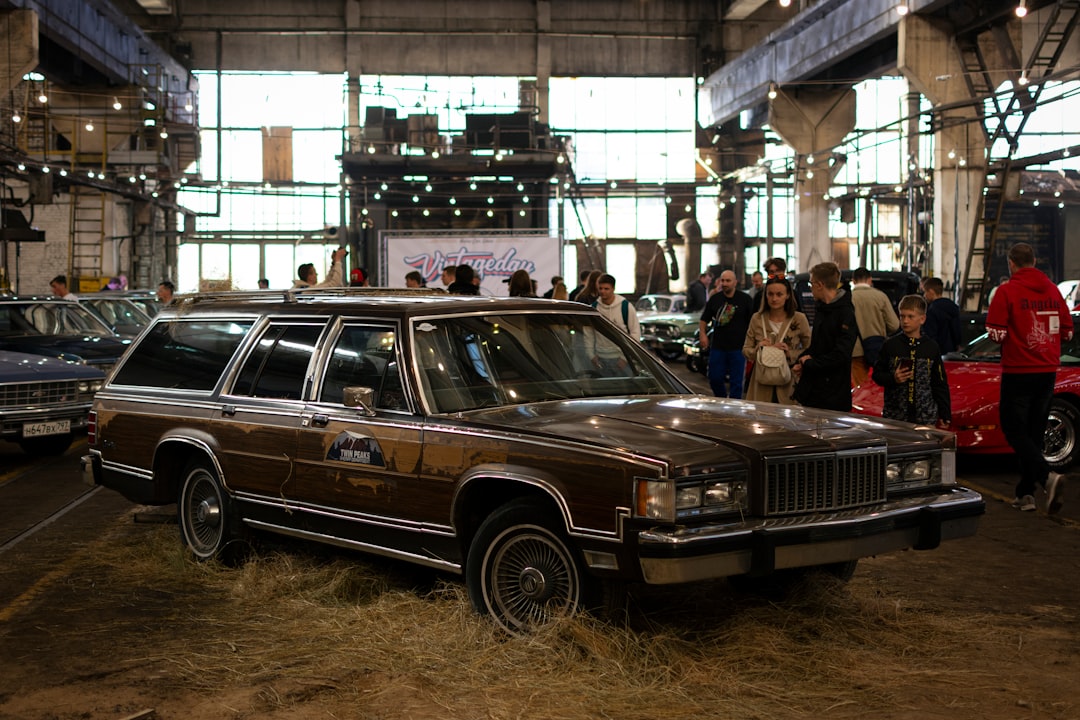
So, you’re wondering about those classic American car conversations that seem to pop up whenever someone spots a cherry ’65 Mustang or a roaring Camaro? You’re not alone! It’s more than just admiring old metal; it’s about recognizing a cultural touchstone. These cars represent a certain era, a particular kind of freedom, and a whole lot of engineering ingenuity.
1. The V8 Rumble: A Symphony of Power
When someone mentions a V8 engine in a classic American muscle car, it’s not just about noise. It’s about a distinct sound that has a deep-rooted connection to the golden age of American automotive engineering. This isn’t just any engine; it’s a symbol of raw power and a distinct era.
The Mechanical Heartbeat
- The Distinctive Growl: That deep, throaty rumble isn’t accidental. It comes from the V8’s design – eight cylinders firing in a specific sequence, creating a unique exhaust note. It’s a sound that resonates, a sound that feels powerful.
- More Than Just Loud: While they are often loud, the appreciation goes beyond volume. It’s the rhythm, the undertones, the feeling that there’s a lot of controlled energy ready to be unleashed. Think of it as the car’s signature song.
- Historical Context: The V8 became synonymous with American performance, especially in the muscle car era of the 60s and 70s. Companies like Ford, Chevrolet, and Chrysler poured their efforts into developing potent V8s, making them a defining feature of these iconic vehicles.
- A Direct Connection to the Road: For enthusiasts, the V8 sound isn’t just auditory. It’s often felt through the chassis, a tactile connection to the mechanics beneath. It’s the sound of American ambition and a spirit of going fast.
If you’re interested in exploring the cultural significance of American cars through engaging dialogues, you might find a related article on effective communication in the workplace quite enlightening. This article discusses the nuances of asking for a raise, which can be likened to the negotiation and appreciation often involved in the automotive industry. You can read more about it here: Dialogue on Asking for a Raise.
2. The Ford Mustang: An American Icon’s Enduring Legacy
Talking about the Ford Mustang often feels like discussing a national treasure. Its “iconic design” isn’t just a catchphrase; it’s a description of a car that shaped automotive design and captured the imagination of generations.
More Than Just a Pretty Face
- The Original Pony Car: When the Mustang debuted in 1964, it created an entirely new segment: the “pony car.” It was sporty, stylish, and, crucially, relatively affordable. This formula was a massive success.
- Design Evolution, Not Revolution: While the Mustang has seen numerous redesigns over the decades, its core visual DNA often remains. The long hood, short deck, and aggressive stance are recurring themes, making it instantly recognizable.
- Symbol of Freedom and Youth: The Mustang was marketed to a younger demographic, embodying a sense of freedom, rebellion, and personal style. It wasn’t just a mode of transportation; it was a statement.
- Cultural Footprint: From Hollywood blockbusters to everyday driveways, the Mustang has been a constant presence in American culture. Its image is deeply ingrained, making it more than just a car but a piece of Americana.
- Performance Heritage: Beyond its looks, the Mustang has a rich performance history, particularly with models like the Shelby GT350 and GT500, cementing its reputation as a capable and thrilling machine.
3. Chevrolet Corvette: The Pinnacle of American Sports Car Performance
When someone praises the Chevrolet Corvette as the “epitome of American sports car performance,” they’re highlighting a vehicle that has consistently pushed boundaries and competed on the global stage.
Engineering for the Enthusiast
- A Dedicated Sports Car: Unlike many American cars that were often adapted for sporty performance, the Corvette was designed from the ground up as a sports car. This dedication to performance is evident in its engineering and styling.
- Technological Advancements: Throughout its history, the Corvette has often been a proving ground for Chevrolet’s innovative technologies. From fiberglass bodies in the early days to advanced engine designs and chassis dynamics, it’s a showcase of what American engineers can achieve.
- Global Competition: The Corvette isn’t just a domestic hero. It has a long and successful history in international racing, proving its mettle against some of the world’s best sports cars. This racing pedigree is a key part of its performance identity.
- Evolving Identity: From its humble beginnings as a somewhat underpowered roadster to the potent, mid-engined C8 of today, the Corvette has continually evolved. This adaptability, while retaining its core performance ethos, is remarkable.
- A Distinctive American Approach: While sharing the sports car goal with European counterparts, the Corvette often brings a uniquely American flavor – be it in its V8 powerplants, its bold styling, or its emphasis on accessible performance.
4. Vintage Cadillacs: The Unmistakable Aura of American Luxury
The mention of a vintage Cadillac often conjures images of sweeping fins, plush interiors, and an undeniable sense of grandeur. They represent a particular era of American aspiration and automotive excess.
Crafting Comfort and Presence
- The Definition of American Opulence: In their heyday, Cadillacs weren’t just cars; they were statements of success and comfort. They offered a level of luxury that was distinctly American, emphasizing size, comfort, and distinctive styling.
- The Era of Tailfins: The iconic tailfins of Cadillacs from the 1950s and early 1960s are a prime example of this. They were bold, aerodynamic (in theory), and created a visual drama unmatched by many contemporaries.
- Focus on Smooth Ride: While performance wasn’t always the primary focus, Cadillac engineers prioritized a smooth, quiet, and comfortable ride. This made them ideal for long-distance cruising and conveyed a sense of effortless motion.
- Technological Innovations for Comfort: Features like power steering, power windows, automatic transmissions, and air conditioning became more common and refined on Cadillacs, enhancing the driving experience for those who valued comfort and ease.
- A Symbol of an Era: Vintage Cadillacs are more than just automobiles; they are artifacts of a specific period in American history. They represent a time of post-war prosperity, optimism, and a belief in progress and a comfortable future.
In exploring the rich culture surrounding American cars, one can find various dialogues that capture the essence of automotive enthusiasm. For instance, a conversation about the classic Ford Mustang can lead to discussions about its iconic design and performance. Similarly, talking about the electric revolution in American cars might spark debates on sustainability and innovation. A dialogue about the Chevrolet Corvette often highlights its status as a symbol of American muscle. Additionally, conversations about the rise of SUVs in the American market reveal changing consumer preferences. To delve deeper into related topics, you might find this article on mailing letters interesting as it touches on communication, which is essential in sharing our automotive passions. You can read more about it here.
5. The Dodge Charger: Timeless Muscle Car Cool
When someone says the Dodge Charger has a “classic American muscle car look that never goes out of style,” they’re tapping into the enduring appeal of a design that balances aggression with undeniable charisma.
The Enduring Appeal of Muscular Lines
- The Quintessential Muscle Car Stance: The Charger, particularly models from the late 1960s and early 1970s, embodies the quintessential muscle car silhouette: a long hood, a commanding presence, and a powerful, yet sleek, profile.
- Designed for Impact: The Charger wasn’t just built to be fast; it was built to look fast. Aggressive grilles, prominent hood scoops, and sculpted body lines all contribute to its intimidating and attractive appearance.
- A Cultural Icon: Through its appearances in movies and television, the Charger has cemented its place in popular culture. This exposure has ensured its iconic status remains relevant, even to those who aren’t hardcore car enthusiasts.
- Versatility in Design: While the Charger is most famous for its muscle car iterations, it has also seen different design evolutions. However, its ability to consistently evoke a sense of power and style is a testament to its core design principles.
- The Feeling of Power: The Charger’s design translates directly into a feeling of power. It’s a car that looks like it means business, and that visual promise is a significant part of its lasting appeal. It’s a design that doesn’t just fade; it commands attention.
FAQs
1. What are some popular American car brands?
Some popular American car brands include Ford, Chevrolet, Dodge, Jeep, and Tesla.
2. What are some iconic American car models?
Iconic American car models include the Ford Mustang, Chevrolet Corvette, Dodge Challenger, Jeep Wrangler, and Tesla Model S.
3. What are some key features of American cars?
American cars are known for their powerful engines, spacious interiors, advanced technology features, and strong emphasis on design and style.
4. What are some current trends in the American car industry?
Some current trends in the American car industry include the rise of electric and hybrid vehicles, increased focus on autonomous driving technology, and the growing popularity of SUVs and trucks.
5. What are some challenges facing the American car industry?
Challenges facing the American car industry include increasing competition from foreign car manufacturers, changing consumer preferences towards more fuel-efficient vehicles, and the need to adapt to stricter environmental regulations.
About the Author